

Fuel monitoring: from level readings to investigated events
A practical method for tank inspection, sensor installation, calibration tables and evidence-based review of rises, drops and unstable readings.
The operations journal
A practical method for tank inspection, sensor installation, calibration tables and evidence-based review of rises, drops and unstable readings.

Define useful events, plan for variable mobile coverage and build a review routine that separates network delays from real operating events.
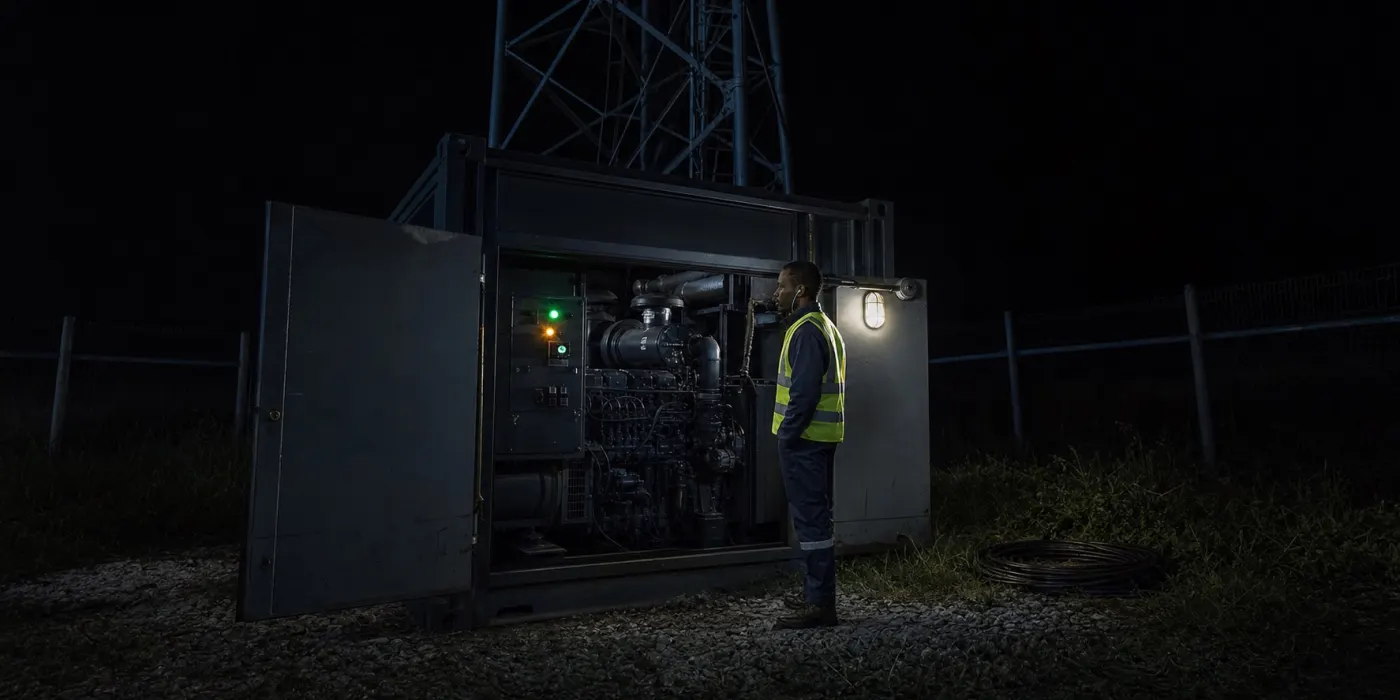
Identify the controller, map Modbus registers correctly, commission the signal path and connect each alarm to a named response.

The questions to ask any supplier about 2G coverage, offline storage, sensors, installation, local support, alerts and total cost.

A morning routine for silent trackers, night trips, geofence exits, speeding, idling, fuel drops, generator alarms and open alerts.
Siphoning, drained tanks, fake refuel receipts and fuel-card misuse: the warning signs to check and what a fuel sensor with GPS shows.
Baseline, measurement period, calculation, limitations and client permission: the evidence behind a public result.
From US$25 per month: what changes the price, what to compare, and cheap online trackers vs installed ones.
Satellites, 2G, storage when there is no network, and tamper alerts: what a vehicle tracker does at each step, and what it cannot do.